


Updates / News /
A Guided Tour through the Explorers’ Garden
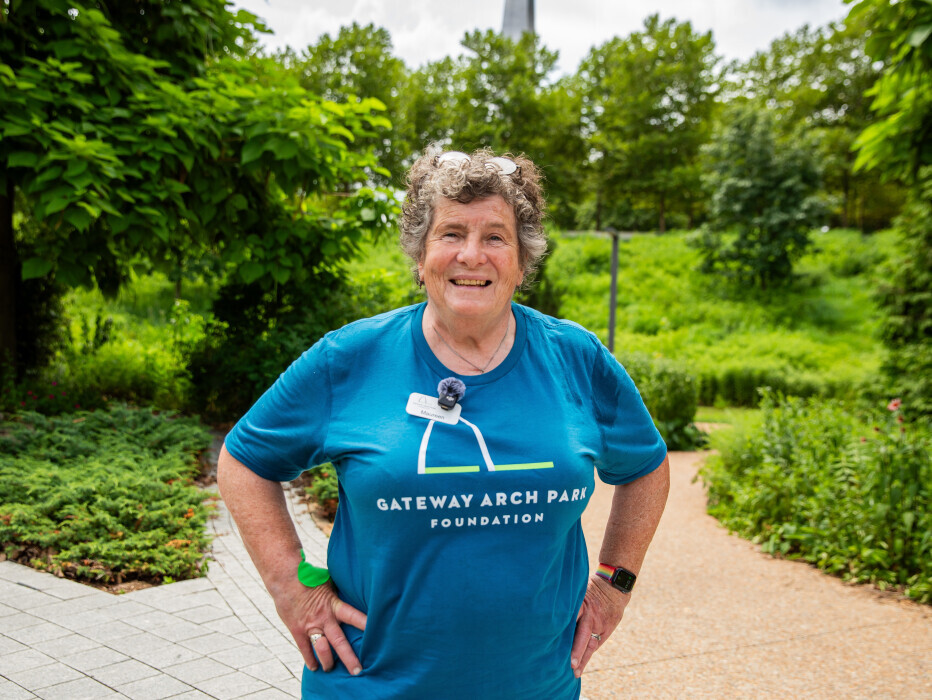
As Picnic in Your Park attendees explored Gateway Arch National Park on June 7, they were able to chat with Gateway Arch Park Foundation volunteer and Master Gardener, Maureen Hoock, in the Explorers’ Garden. This beautiful space, tucked into the park’s North Gateway, is intentionally planted with lush native species that support many of the creatures who call the park home.
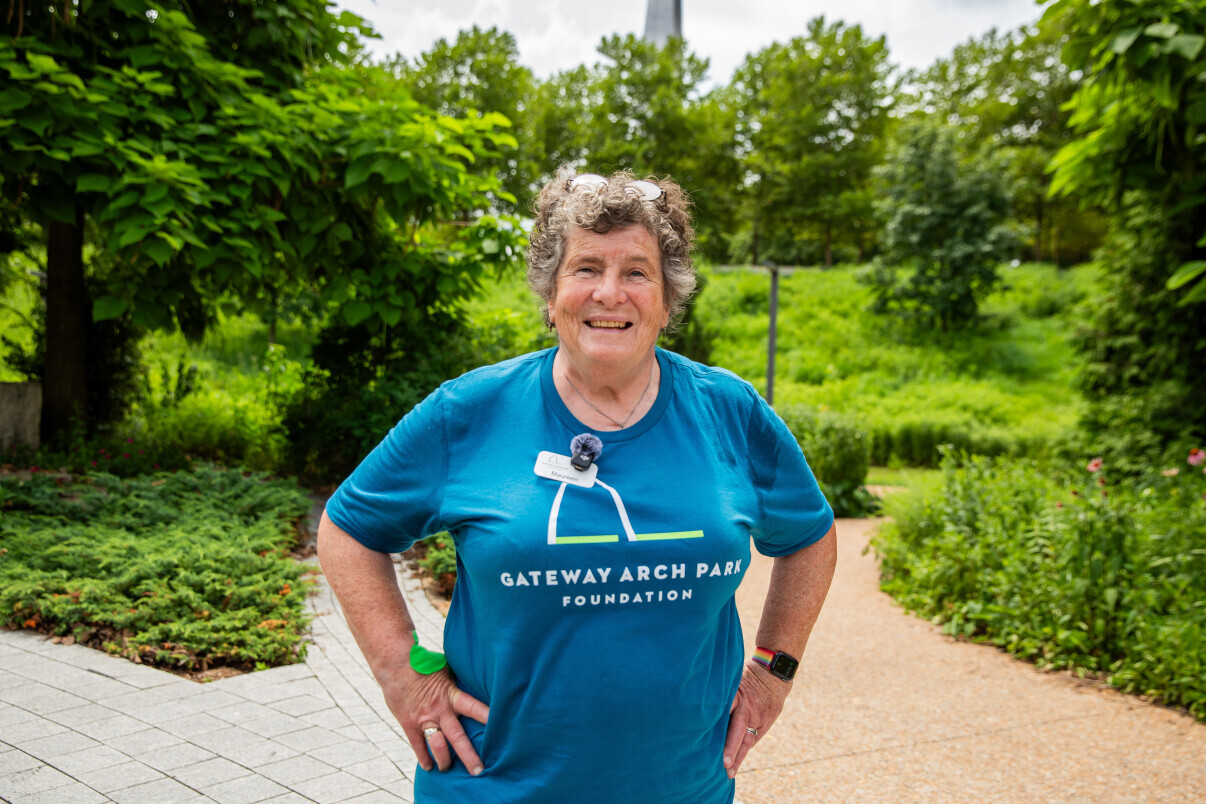
In between tours with Picnic attendees, we chatted with Maureen to learn more about the plants that thrive in the Explorers’ Garden.
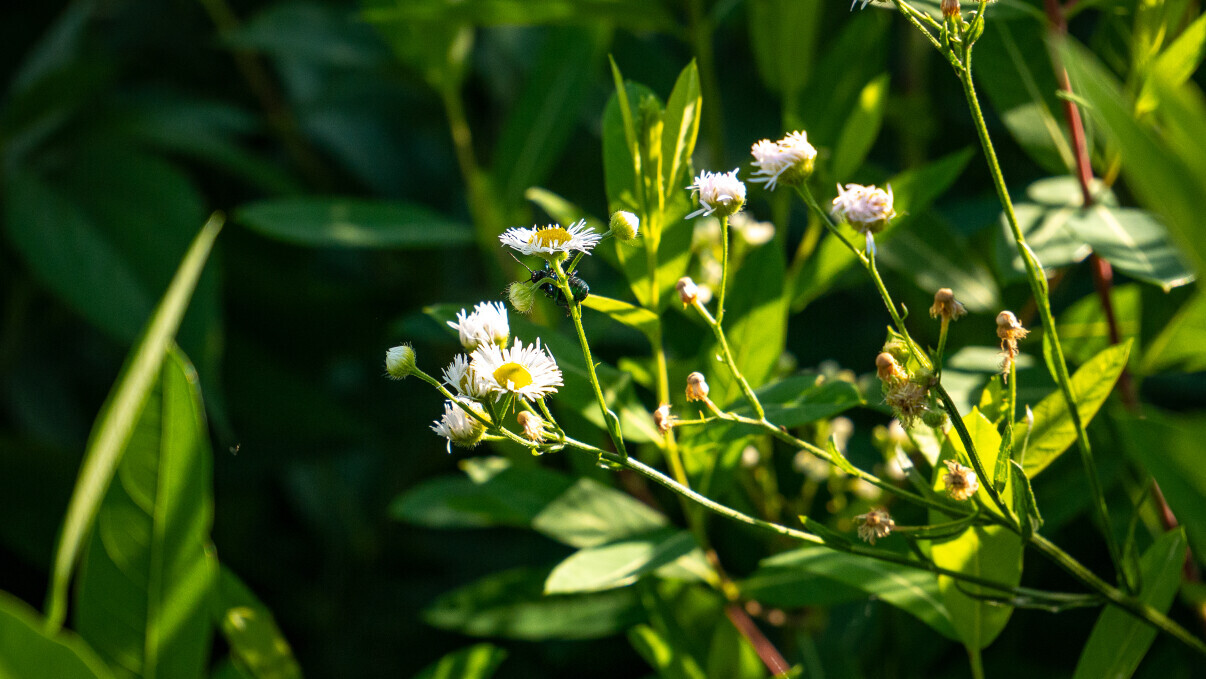
Daisy Fleabane: “When we’re looking for a taller plant, this one gets mistaken for a weed all the time. It looks like a little daisy, and it’s called daisy fleabane. It’s got a long blooming season, and if it’s where you don’t want it, it is in fact a weed, but otherwise it’s a really fun little plant to have for a lot of the summer season.”
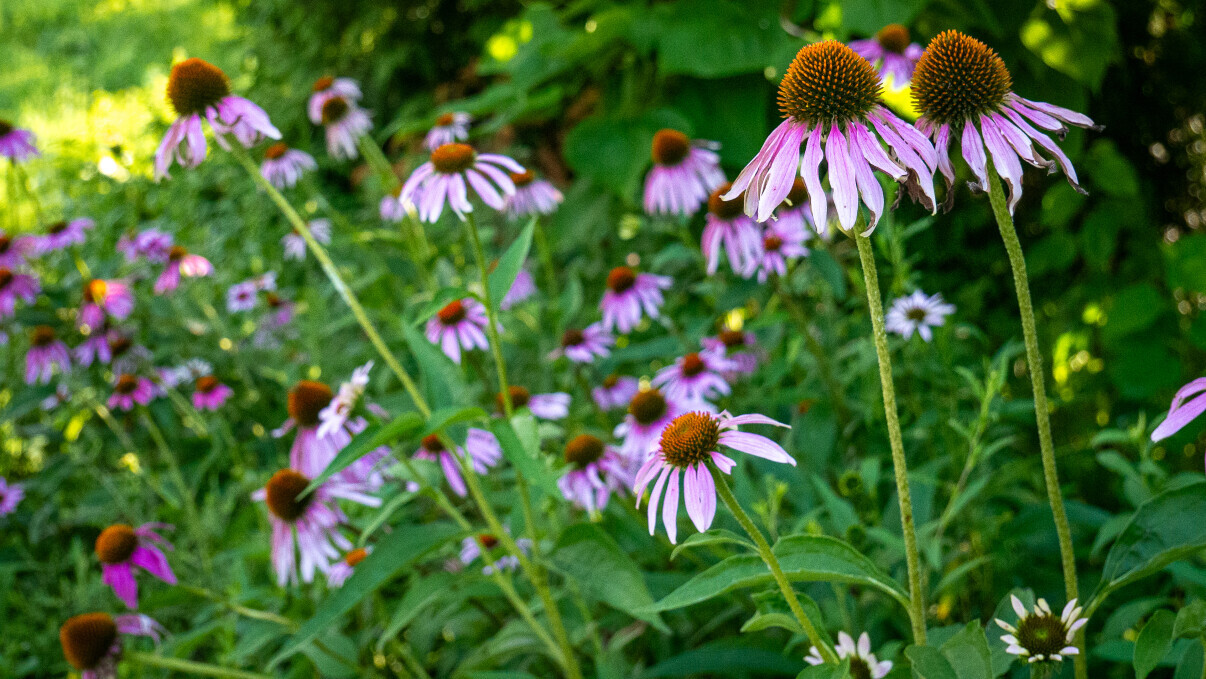
Echinacea: “If you’re looking for a good, tall, sturdy plant, echinacea is great. It comes in different colors- this is purple, and this yellow is the seed head.”
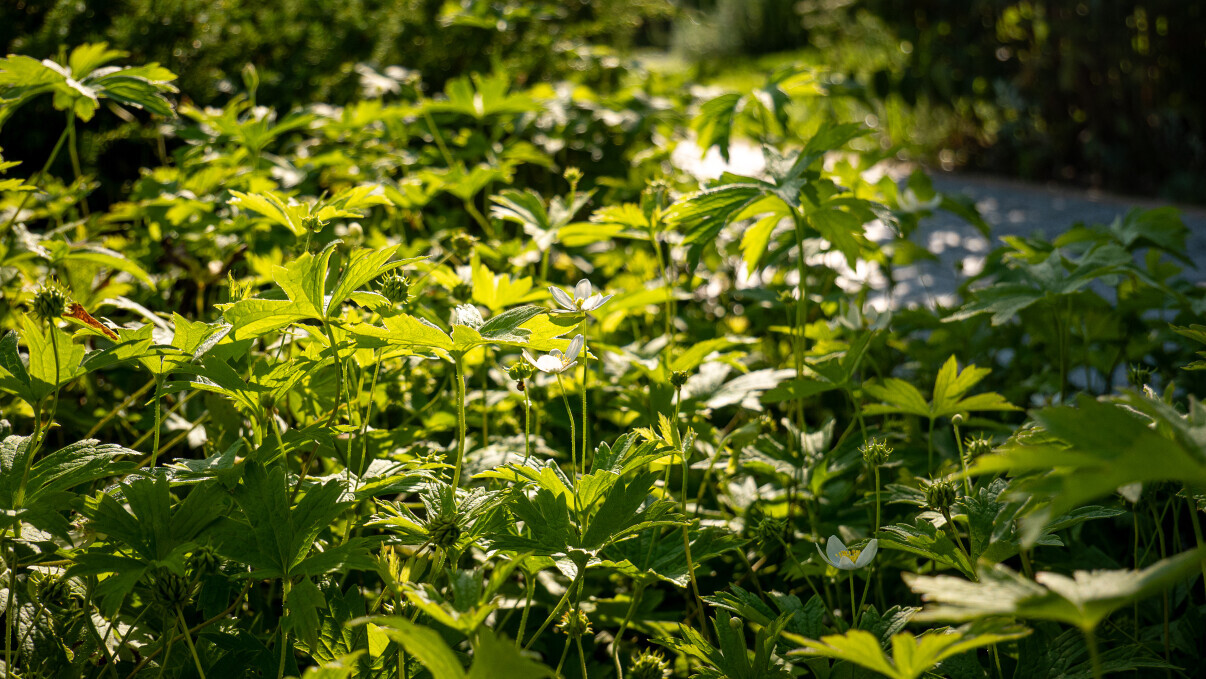
Meadow Anemone: “If you’re looking for something that’s close to a ground cover, the meadow anemone is great. The fun thing is, once the petals fall off, you still get these really cool little center things. You’d be surprised how tiny some of the pollinators are that grow around them.”
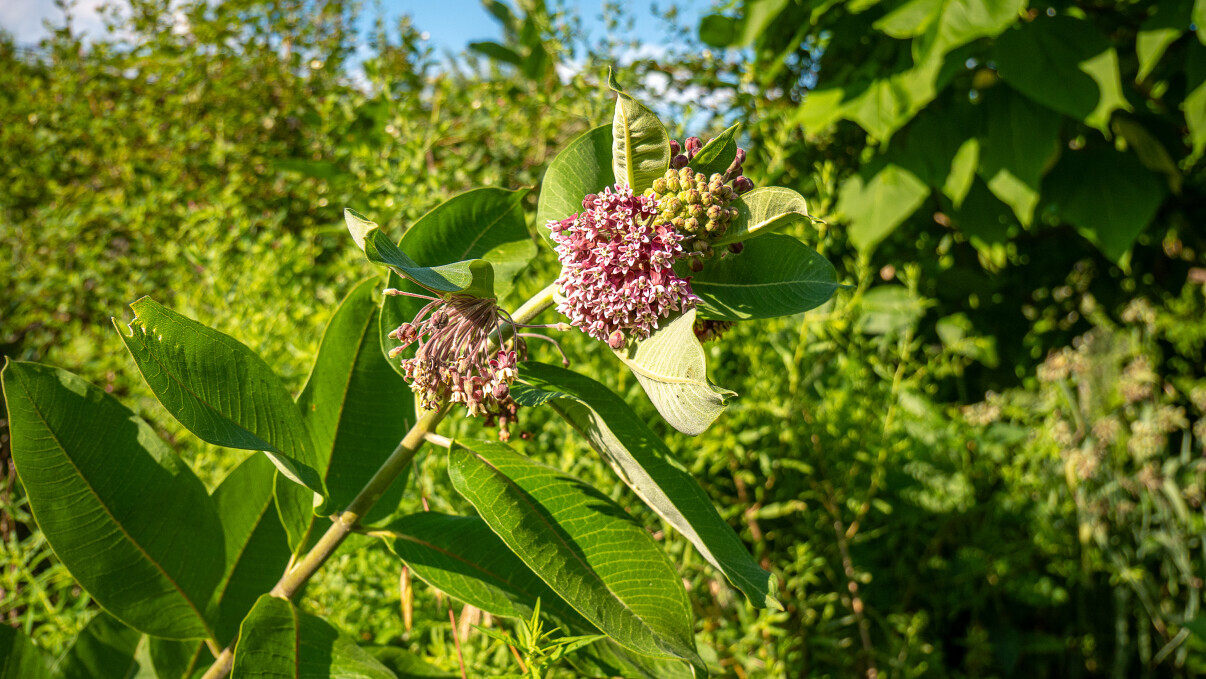
Milkweed: “You probably recognize this one, it’s our good friend, the common milkweed. There’s lots of varieties of milkweed- it’s really important for our monarch butterfly friends. Make sure, if you’re going to plant native, that you get some milkweed. They grow nice and tall, and you’ll have butterflies all summer long.”
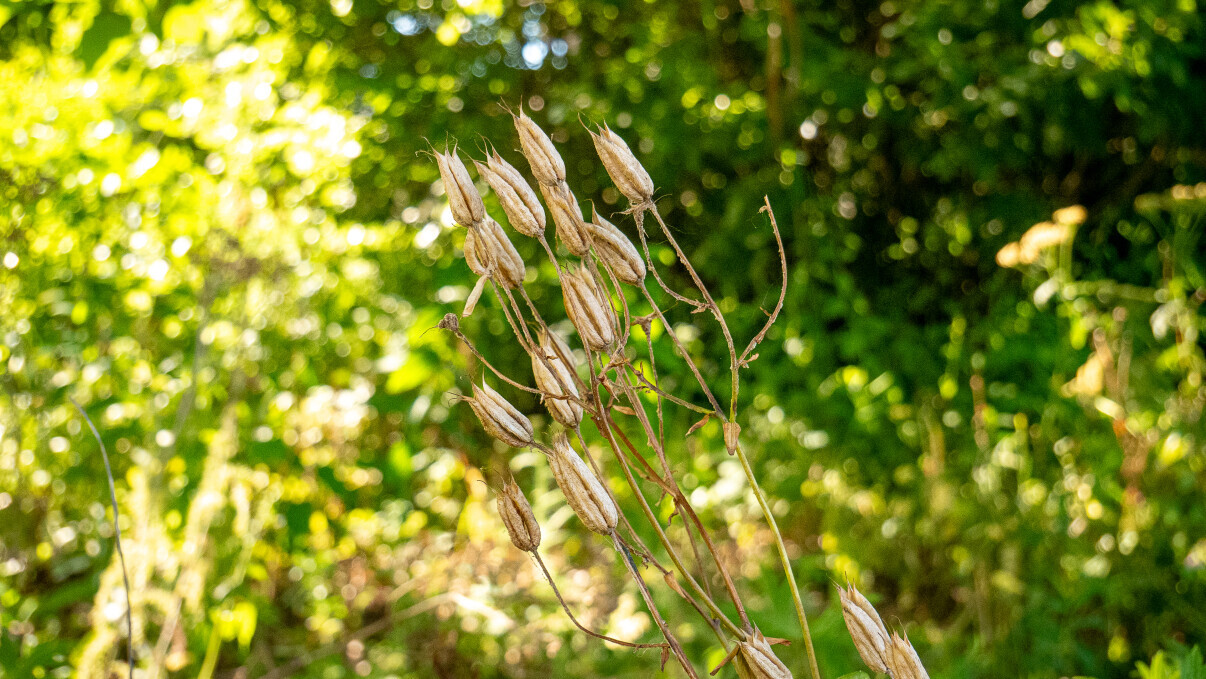
Columbines: “These are past bloom, but these are columbine, and when you see them, they’d be red and yellow. One of the great things about these plants is that they will reseed themselves.”
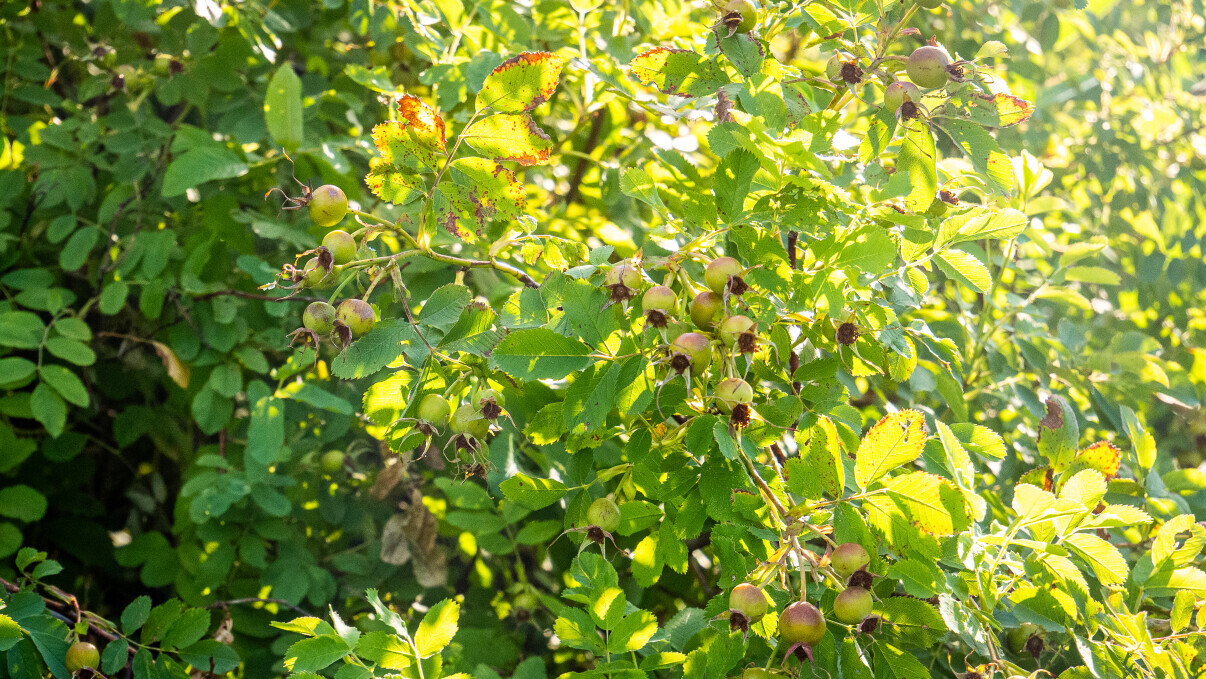
Carolina Rose: “If you think about fruit trees, like apples, pears, and plums, they have pretty flowers that fall off and then the fruit grows. This is a Carolina rose bush. When we think about roses, we think about the flowers, but after the flowers fall off, they leave their little hips, which are fruit. People use these for teas and other medicinal purposes.”
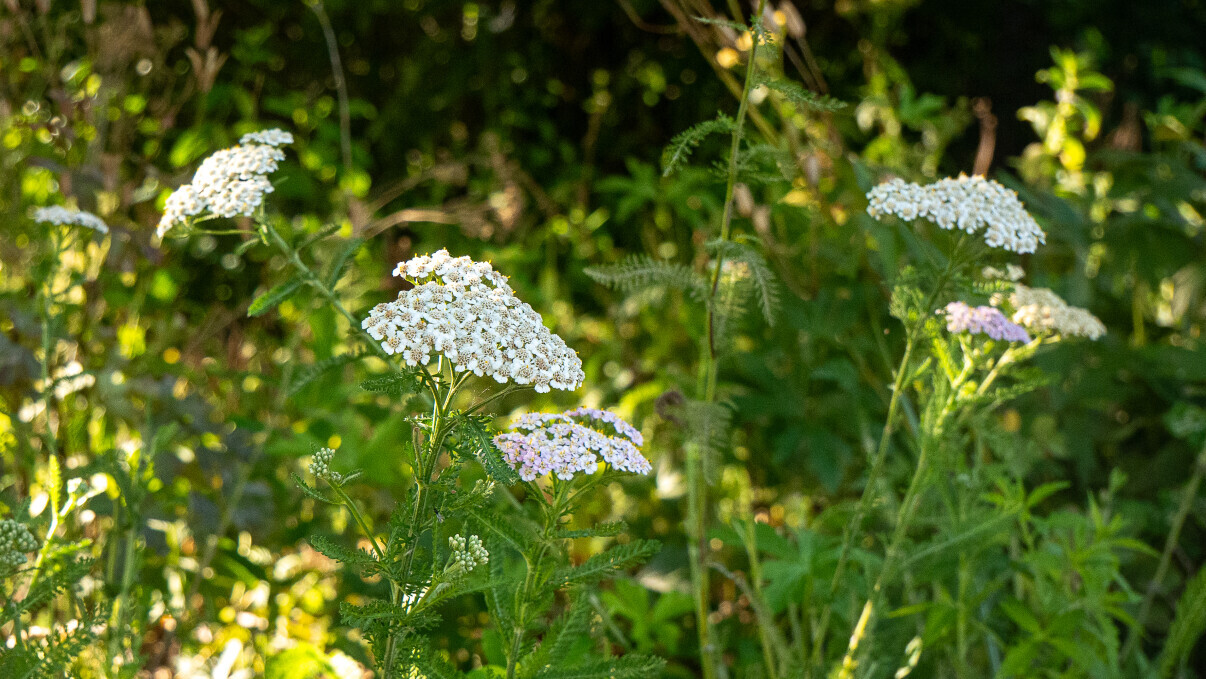
Yarrow: “These guys are yarrow. It’s a great low-to-medium-height plant and comes in different colors. The pollinators prefer the white because there’s more pollen per square centimeter in the white than in the colored flowers.”
Next time you’re at Gateway Arch National Park, make sure to swing through the Explorers’ Garden and try to spot these native plants yourself! Thank you to Maureen and all our volunteers who help us learn more about the species that bring our hometown national park to life.